Introduction to the Released Method
The Released Method is a pragmatic, real-world-tested approach to managing and delivering large-scale software systems. It was born during the rise of agile methodologies and blends the best of those practices with lessons learned from decades of hands-on experience.
Unlike one-size-fits-all frameworks, the Released Method adapts to the scale, complexity, and structure of your software product team — while staying laser-focused on delivering value to customers.
What Sets It Apart
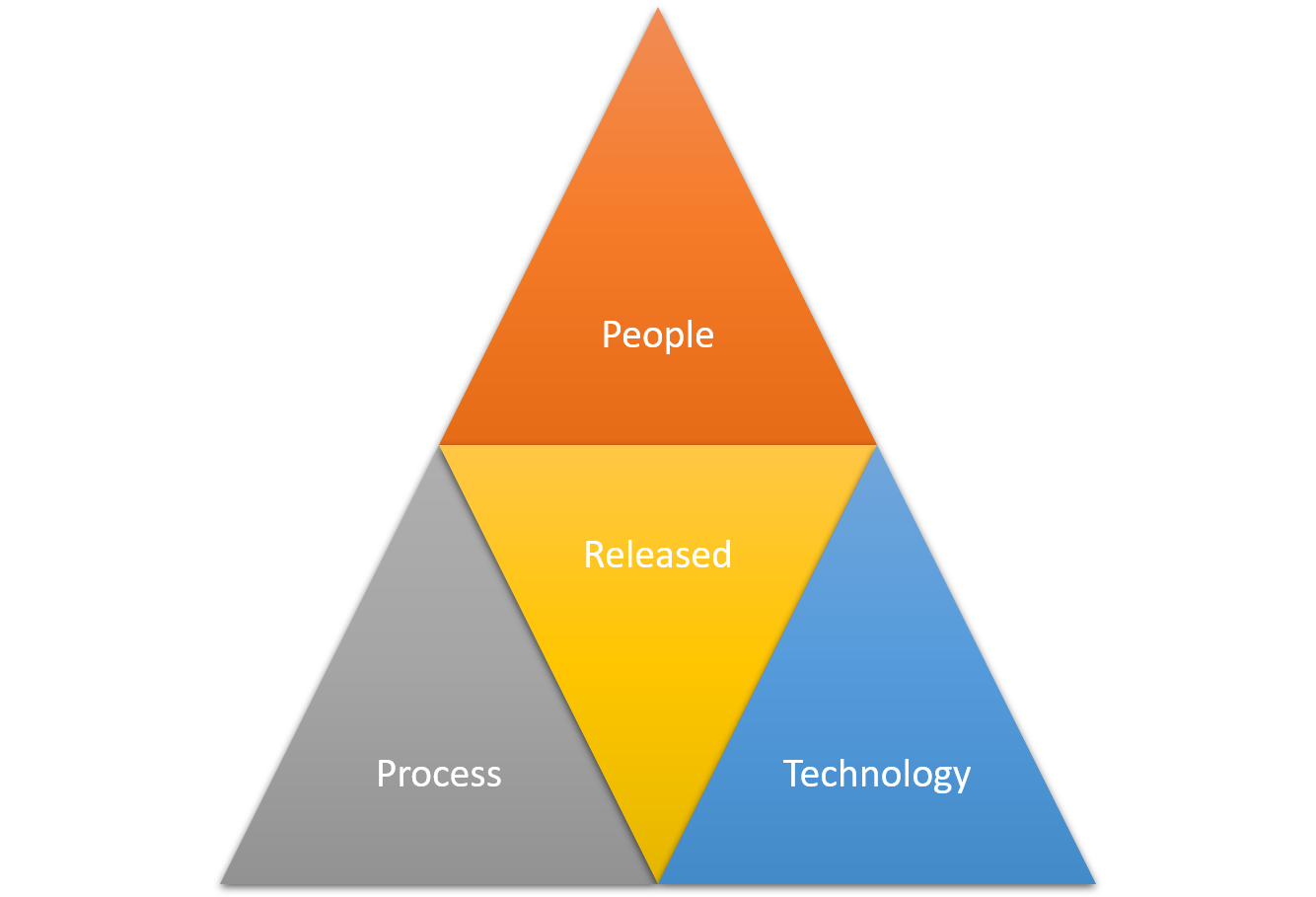
The Released Method isn’t just about process. It rests on a three-part foundation:
- People – Great software starts with great teams. This method depends on skilled, collaborative, cross-functional groups.
- Process – A flexible, lean framework built on proven agile principles, adapted for modern challenges.
- Technology – A practical, adaptable tech stack that evolves with the product.
Each element must be invested in and balanced. Ignore one, and the whole thing topples.
| Area | Investment |
|---|---|
| People | Hire and empower the right team, with all key roles filled by competent professionals. |
| Process | Implement the Released Method’s core pillars to drive focus, speed, and quality. |
| Technology | Use solid, scalable tools and platforms — no tech for tech’s sake. |
Where It Came From
The Released Method originated during the author’s time at Microsoft around the turn of the millennium — a time when the industry was shifting away from the rigid, misunderstood Waterfall method.
Frustration with bloated, outdated processes gave rise to agile frameworks like Scrum and XP. While some of their early practices were radical, their underlying principles were sound.
The Released Method builds on those foundations, refined and reworked to suit the scale, speed, and complexity of software development in the 2020s.
The Method in Practice
This is not a rulebook — it’s a framework. The Released Method is:
- Principle-based – Grounded in agile values, not ceremonies.
- Flexible – Designed to fit the real world, not an ideal one.
- Outcome-driven – Focused on delivery, quality, and user value.
It’s shaped by years of hard-won lessons in shipping complex systems — and built to help teams navigate ambiguity, deliver with confidence, and scale without chaos.